Tag Archives: Travel

In Iran, You Had Me At Headscarf.

One of the largest squares on the planet awaits you in Isfahan, Iran.  (Photo credit: Suzanne Anthony)

One of the largest squares on the planet awaits you in Isfahan, Iran. (Photo credit: Suzanne Anthony)

Forget safety.  Live where you fear to live.  Destroy your reputation.  Be notorious.
–Rumi

“That movie was not a fair portrayal of the Iranian people. Everyone in there was angry or had a sour look on their face.  They looked scary.”

I was playing catch up with my nomadic soul sister, Suzanne Anthony, and we were talking about the film Argo.  She’d been to Iran and I was curious to hear about it.  Like the tales of a 1,001 nights, she had me at headscarf.

During the US’ war on Iraq, one of the many casualties was the looting of its museums. Suzanne figured that with the drums of war banging away, it might not be long before Iran was in its crosshairs. She’d always had an itch to see Iran’s famous, hand-painted, blue-tiled, honeycombed mosques, and she figured it was time to scratch it.

The beauty of the blue mosques.  (Photo credit:  Suzanne Anthony)

The beauty of the blue and white tiled mosques. (Photo credit: Suzanne Anthony)

Suzanne’s a solo traveler but Americans aren’t allowed to travel to Iran alone. They have to go with a tour group. I had to admit, it’s not every day you see vacations to Iran marketed. “I don’t think it’s something the market will bear because people are terrified of going. It’s all fear. Look what happens when you tell people you’re going to Mexico,” she said. “The media doesn’t help.”

She got her visa and chose GAP, a Canadian tour company because the travelers they attract are younger and adventurous, more the backpacker type than the academic and older folks that book with US tours and do everything together. Her fellow travelers were Australian, Romanian and New Zealanders, and their Iranian tour guide allowed them to cut loose during the day.

She flew to Tehran alone but admits to being weirded out as the plane descended and a flight attendant announced, “By decree of Islamic law, all women must cover their heads.” Her nerves grew a bit more frazzled when she learned that US citizens must be fingerprinted. “The first thing the immigration guy said to me was, ‘Welcome, welcome! I love America. USA good. Welcome.’ He could barely speak English but he could tell I was nervous,” Suzanne said. From that point on, the little fear she had disappeared.

A big attraction traveler, Suzanne went for those blue-tiled mosques but what the attraction became when she arrived were the people. “It’s a very young group. They work very hard to let you know that they’re cultured. So they always want to talk about music and poetry. The Persian poets like Rumi from old Persia.” Music’s important too but Western music is stifled. She told of guys dressed like punk rockers in skinny jeans with spiked hair. Of one listening to his iPhone who asked her, “Do you like rock n roll?” She replied, “Yes, I love rock n roll.” He got wide-eyed and whispered, “I do too but here it is forbidden.”

And what about those headscarves?
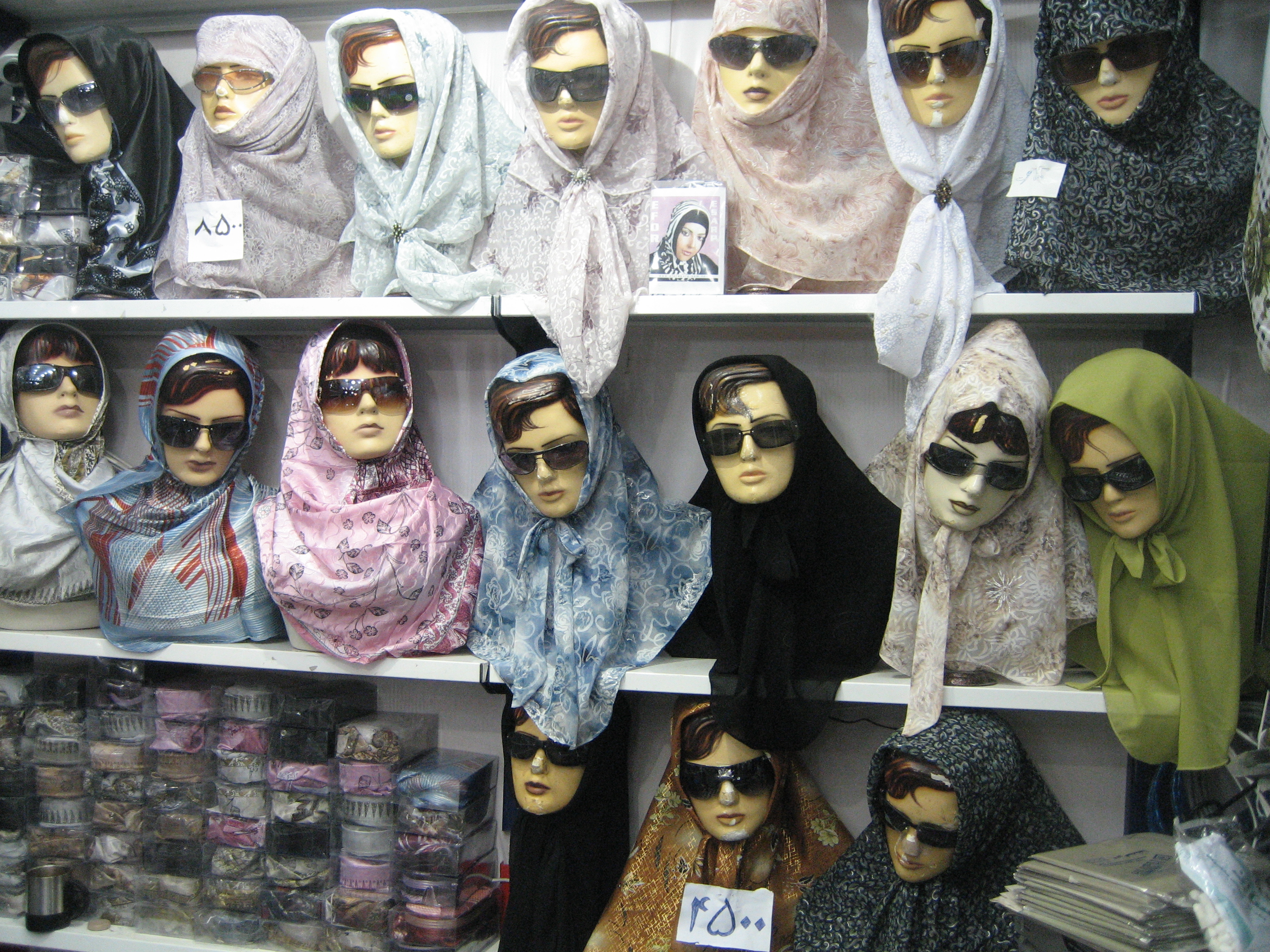
What to wear? (Photo credit:  Suzanne Anthony_

What to wear? (Photo credit: Suzanne Anthony)

“It was funny for me that the headscarf is a very powerful symbol that people fear. Women are asked to take them off in the US and women are asked to put them on there. We’re so focused on the power of a headscarf.” She remembers a gorgeous woman who stopped to ask her what she thought about wearing the headscarf and she answered, “I respect your customs and I’m willing to do it to visit your country. What do you think about it?” The woman wore a purple scarf, tossed it over her shoulder and said, “My god does not care about such things.”

On a visit to the holy city of Mashhad, all the women on the tour had to sport a chador, the black robe that covers you from head to toe. A bit freaky at first, they got over that feeling quickly when the Iranians looked at them and giggled. Blending in among a sea of black was an experience Suzanne had never had. She felt a huge energy shift. “All of a sudden you’re one of them now. You’re not the lone vanilla scoop in a chocolate sundae. You’re swept up in that mystique.”

The hospitality also blew her away. “They’d say, ‘Can you come to my house for tea?’ The whole Muslim culture is very much based around hospitality, that if you have a guest in your country it’s considered a gift. You’re considered a guest of honor.” These aren’t things we hear about in the media. Suzanne constantly met people throughout the towns she visited who’d say to her, “America very good.”

They’d also ask a lot of questions but there was one in particular that gave her a lump in her throat. “What does America think about us?”

“You don’t want to answer that question. So I just said people don’t know very much about you, they’re afraid of the government. One woman said, ‘Our government is crazy.’ And I said, our government is crazy too. They’d go on to say, ‘I hope someday our countries can be friends.’”

She went for the blue tiled ceiling but found so much more.  (Photo credit: Suzanne Anthony)

She went for the blue mosques but found so much more. (Photo credit: Suzanne Anthony)

Isfahan, with one of the largest squares in the world and a UNESCO World Heritage site, was her favorite city. Travelers flock there for the Iranian and Islamic architecture, art, history, and parkland. But it was the blue mosques that she couldn’t wait to see. “I’m just crazy about those because you go inside these mosques and the ceiling’s are all honeycombed. Just to walk through a giant mosque and have every surface around you in these blue and white tiles is just beautiful. I couldn’t seem to get enough of those.” She came to feel the same way for the mirrored mosques. She also fell in love with the city of Shiraz with its poets’ shrines.

They visited a caravanserai, a sort of open-air dinner theatre in the desert. It turned into a wild and memorable experience when an Iranian tour group arrived and threw the party of all parties. “They threw upon the doors and dragged us into their party. Before you know it, we were all dancing. It was wild, the headscarves started to loosen and come off and everybody was on the dance floor. As quick as they blew in on their tour bus, they were gone and we were all stupefied. It was like prohibition. Here they were out in the desert and they were breaking all the rules.”
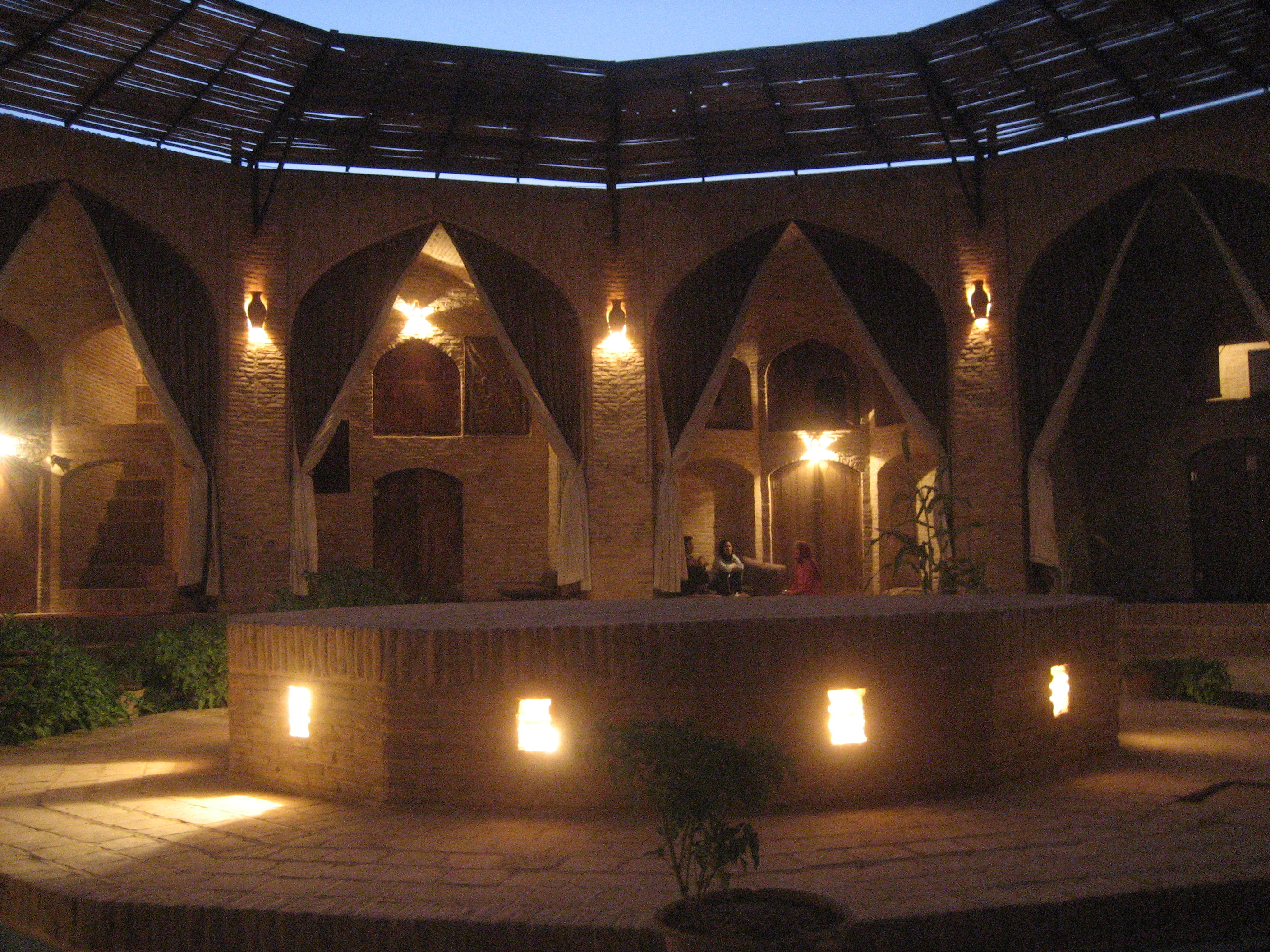
Oh what a night! The caravanserai courtyard.  (Photo credit:  Suzanne Anthony)

Oh what a night! The caravanserai courtyard. (Photo credit: Suzanne Anthony)

Suzanne thinks it would be an amazing thing for more Americans to visit Iran. Why? Because she thinks if you open up your mind and your heart, it’ll be an enriching experience like no other. “I was relieved to not have everybody be right who thought something bad was going to happen to me there,” she said. “Don’t be afraid of what you don’t know. Go and see it for yourself.” Another plus, women don’t have to pack much because nobody’s really going to see you!
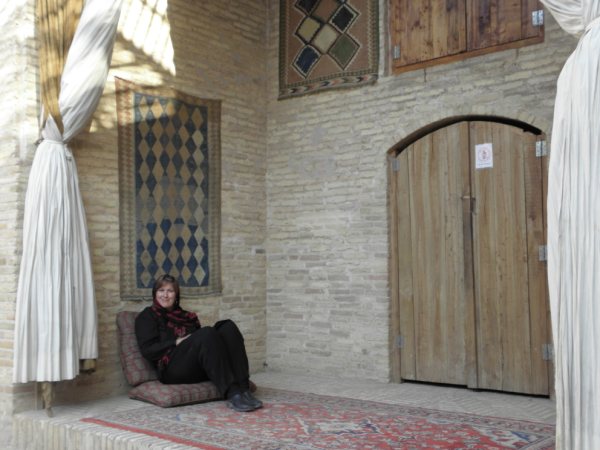
My nomadic soul sister, Suzanne.

My nomadic soul sister, Suzanne, chills at the caravanserai.

I’ve barely scratched the surfaced here. Visit Take To The Highway to get all the details behind Suzanne’s incredible journey in Iran and to follow her other trails.

Autumn In New York, We’ve Got You Covered.

A bird’s eye view of the Cloisters Museum & Garden in New York City.

October’s the time of year when New York’s Hudson Valley is teeming with weekend visitors who leave their urban boundaries to witness one of nature’s greatest displays, fall foliage. For anyone who can enjoy this scenery on off hours, good for them. For others, it’s often a painstaking experience as they sit in traffic along the highways and byways that lead them to this glory.

For those of us who can’t get away, or for anyone visiting the New York metro area, we’ve got some pretty nice displays of our own on tap. Some natural, some manmade, but all of which are pleasing to the senses. So if you’re local and feeling at all guilty about not heading north, don’t feel so bad. There’s plenty of good stuff right here.

Anyone bent on appreciating the jewel tones of fall need only to spend some time strolling through Central Park or Inwood Park in Manhattan, Prospect Park in Brooklyn, or Pelham Bay Park in the Bronx to get their fix. There are also loads of smaller parks throughout the boroughs with showy displays where you can walk, contemplate life and check out the local neighborhoods.

One of them is Fort Tryon Park where the Cloisters Museum and Gardens is one of the city’s most unique treasures. Spending the day among its medieval art, architecture and gardens is like being transported to another place and time. A branch of the Metropolitan Museum of Art, they offer events, talks, tours and exhibits that cater to all age groups. Sights & Scents at the Cloisters is a specially designed gallery program for visitors with dementia and their care partners. A current exhibit, The Forty Part Motet is a sound installation set in the Fuentiduena Chapel where visitors can experience an 11-minute immersion of Renaissance music. It closes on December 8th but I’m heading there tomorrow and can’t wait to experience it.

Fuentiduena Chapel houses the Forty Part Motet.

The Fuentiduena Chapel houses the Forty Part Motet.

The Raven, The Bells, Annabel Lee. These haunting pieces of literature make for great reading, but why not enjoy them by surrounding yourself with the works of the macabre master himself? Edgar Allen Poe: Terror of the Soul is the Morgan Library & Museum’s newest exhibit and explores the writer’s fiction, poetry and influence on his contemporaries. Located on Madison Avenue and 36th Street, you can easily pair a visit to the museum, followed by a walk down to Madison Square Park at 23rd street where you’ll find a delicious assortment of culinary pop-up food vendors that await your selection.

A tech talk at See/Change at the South Street Seaport.

A tech talk at See/Change at the South Street Seaport.

With the first anniversary of Hurricane Sandy fast approaching, there’s been a lot happening on a local level in and around New York City. I don’t typically spend time around the South Street Seaport in lower Manhattan but I recently passed through it. The last time I was in that area, all the restaurants, shops and businesses were shuttered because of storm damage. It was basically a ghost town. No more.

As of May, a group of like-minded folks from different walks of urban life saw the opportunity within a bad situation to improve the area for its residents, businesses, tourists, and the city. The result is See/Change and it has created a rebirth in this area and it’s a nice thing to behold. The October Fall Fest of events features music, a farmer’s market and pumpkin carving demos. Landbrot is partnering with the Seaport to celebrate Oktoberfest with their beer, brats and pretzels…yum. It’s the perfect way to spend a sunny weekend in the city. You’re out, you’re about, and even better you’re near the water.

So those are just a few things off the top of my head that are within an easy walk, train or bus ride throughout the boroughs.  If you can get away great but if not, we’ve got you covered.

Seeing the Awe, Not the Ugh.

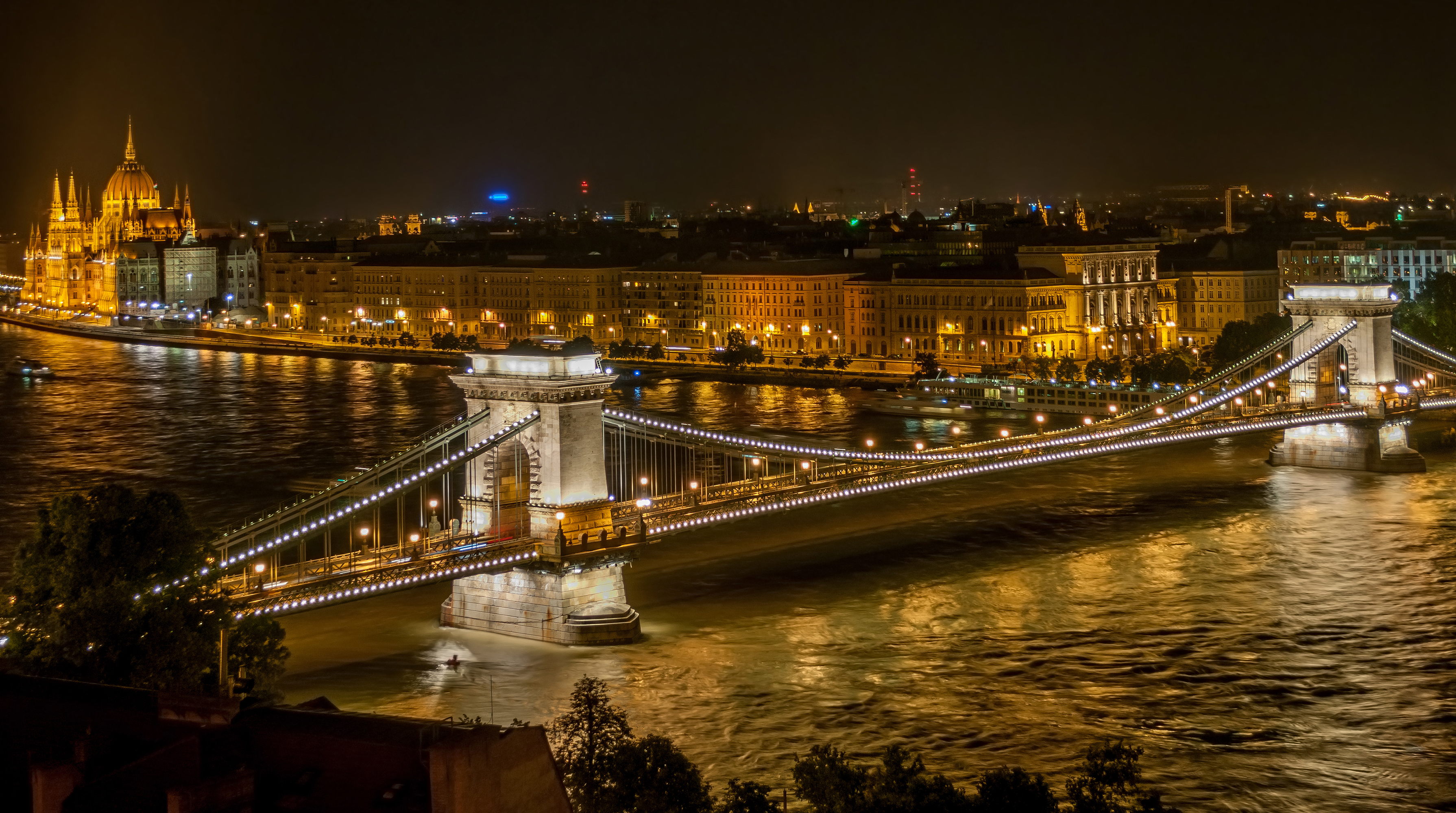
Take me to the river. Széchenyi Chain Bridge, Budapest.

Take me to the river.   Széchenyi Chain Bridge, Budapest.

Back in the fourth grade one of the assignments given to my class was to research the history of a country.  I wanted England.  I was nine years old and I was really into English novels and all things British.   England was mine.

The teacher passed a hat around and asked us to pick a folded slip of paper from it and pass the hat to the student behind us.  My turn came and I dipped my hand into the hat, closed my eyes and willed England.  Instead, I got Hungary and the only thought that went through my head was—you gotta be kidding me (actually it was something else).

I asked my teacher if I could swap Hungary for England.  She said, no.  She was the teacher, I was the student, and this was Catholic school.  Back then, no really did mean no.   So I had myself a little pity party on the way home, got over my bad self and sucked it up that I was stuck with a country that I had no interest in, much less to write about.

I thought of that experience recently when I met with a group of travel counselors to discuss the value of them writing about their travels.   Many of them don’t think that they can write or they’re uncomfortable with the idea of it.  For others, there’s no interest or they just don’t see the value in it.  I get it, it’s not what they signed up for, it’s not in “the box” that’s their profession.  Throwing foreign stuff into the game of what we do every day and what we think we know can be startling and icky.

Recently, I wrote an article about developing your skills and interviewed career coach Kathy Gonzales.  She told me, “The thing that repulses you has gold inside.”  What exactly does she mean by that?  Basically, that we put roadblocks in front of ourselves that might prevent us from seeing an opportunity.  We assign an “ugh” instead of awe to an opportunity.   She also offered this advice, “Do something that you don’t want to do. Do something that you’re afraid to do because in the process of doing that you’ll open yourself up to removing certain blocks, you’ll open up perspectives, and you’ll learn something new.  Mostly, you’ll learn something that you thought you knew but don’t know.”

I get that doing something you don’t want to do is uncomfortable.  I also know that travel agents who take the first step and put pen to pad will discover a world inside themselves they didn’t know existed.  They’ll see the gold.

I reluctantly researched Hungary and the more I learned, the more I burned with curiosity about the place.   I begged my mom to make goulash but that wasn’t happening in our house.   In the end, I turned in my paper and turned out an A+.  It felt good, I felt good, I was on fire.

Decades later, I found myself in Hungary gazing at the magnificent stone, Széchenyi Chain Bridge that reaches over the Danube River connecting Buda to Pest.  I felt a connection to this place.  I also remembered my stubborn, younger self.  Funny how things shake out.

Yea, sometimes we have to push ourselves kicking and screaming into doing something we don’t want to do it.  But try it.  Give yourself a chance.  You just may discover you’re on fire.

Sorry About Your Vacation But We’re Closed.

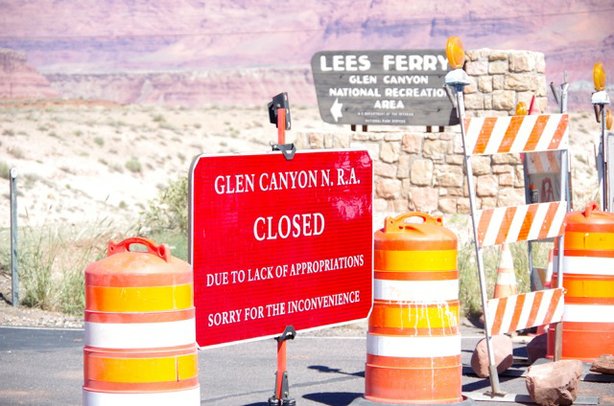
You're joking...right? (Photo credit: Laura Morales.)

You’re joking…right? (Photo credit: Laura Morales.)

Yesterday my boyfriend asked me, “How pissed would you be if when we’d gone to Egypt they’d told us ‘sorry, the pyramids are closed today’?”  I don’t think I really have to answer that question.

But that’s how it’s gone this week for millions of tourists across the United States because of the federal government shutdown.  National parks, museums, and other famous institutions that draw visitors from across the U.S. and abroad are shut out from some of the most inspiring, natural, awesome, and thought-provoking experiences this country has to offer.  For the folks doing the traveling it’s been a major disappointment.  Sure, there are some who’ve made lemonade from the lemons of our government’s internal affairs, but for others the plans they’d had to visit the country’s federally run attractions have turned out to be a bust.

Travel advisors and tour operators who are politically aware may have had a jump on things by having a Plan B up their sleeve for their customers.  I hope so, anyway.   But for travelers who like to go it alone, what started out as an eager vacation has most probably turned into a frustrating experience and a poorer view of our government.  This especially holds true for any foreign visitors.

As of today, the government is in day four of its shutdown but there’s strength in numbers. Travel agents, the travel industry as a whole, and U.S. citizens can do something about it.

How?  All you need to do is write your federal representative.

Tell them how you feel.  Especially for anyone in the travel industry whose livelihood depends on tourism.  It’s that easy.

Power to the people, and to travelers.

Fall Into It.

Nankoweap Rapid is mile 52 along the Colorado River.

Nankoweap Rapid is mile 52 along the Colorado River.

If summer’s about escapism then autumn is all about back to business. But for many, fall is the time of the year when a lot of us hightail it out of here.   The crowds are gone, the roads are clearer and we can have places more to ourselves. But what’s travel without a good book? More specifically, without a good book about travel?

Depending on the direction you’re headed, some travelers prefer total immersion. And as most travelers know, any good travel tale is not without its fair share of ups and downs.  With that in mind, here are a few recommendations for all you travel advisors and travelers to inspire travel reading, travel writing, but mostly…travel.

theoldwaysI like a guy who likes to walk so I’m looking forward to The Old Ways: A Journey On Foot by Robert McFarlane. Shortlisted for the 2013 Warwick prize for literature makes it another good reason to pick it up. A literature professor, McFarlane leads us along the paths of the British Isles in England and Scotland, where he meets people and learns the history of these places. Step by step, he experiences the meditative bonus of walking, the thinking that goes with it and shares how exploring a country on foot is one of the best ways to enjoy travel. For anyone who’s hooked on their Kindle app and can’t get away, or for travel advisors who want to check things out, you can use Google Earth to track his path and see what he saw as you read along. Pretty cool.

Collection-of-Sand-Essays-Pe“…the most important things in the world are the empty spaces,” writes Italo Calvino. In one way or another, the 38 essays that make up A Collection of Sand focus on Calvino’s visual experiences and how they inform travel. Around his pleasures and fascination of maps and books and how certain places, in this case Japan, Mexico and Iran led to contemplation on space and time and civilization. Beautiful writing.


robberofmemoriesSeems only fitting that since there’s a chill in the air that you should have something chilling in your hands, or on your iPad. In which case, The Robber of Memories: A River Journey Through Columbia may be right for you, especially if you’re heading in that direction. Michael Jacobs takes us with him on his adventure up Magdelena, a river that runs through the heart of Columbia where he charts its course geographically and emotionally. Like most first-world travelers who go it alone, he sheds himself of life’s modern comforts. His journey is challenging and dangerous but his tale, where South America is the central theme, serves up a different perspective altogether.

alexandriaEgypt might not be the first place you think of going to these days but that doesn’t mean you can’t get a taste of what it once was. A long time ago, in a land far away, an old flame turned me on to The Alexandria Quartet by Lawrence Durrell and this masterpiece has stuck with me ever since. Made up of four small novels, it’s a lush and seductive tale of friends and lovers in Alexandria before WWI. Its central theme is love conveyed across the different viewpoints and experiences of the characters that make up these stories and whose common ground is the city.

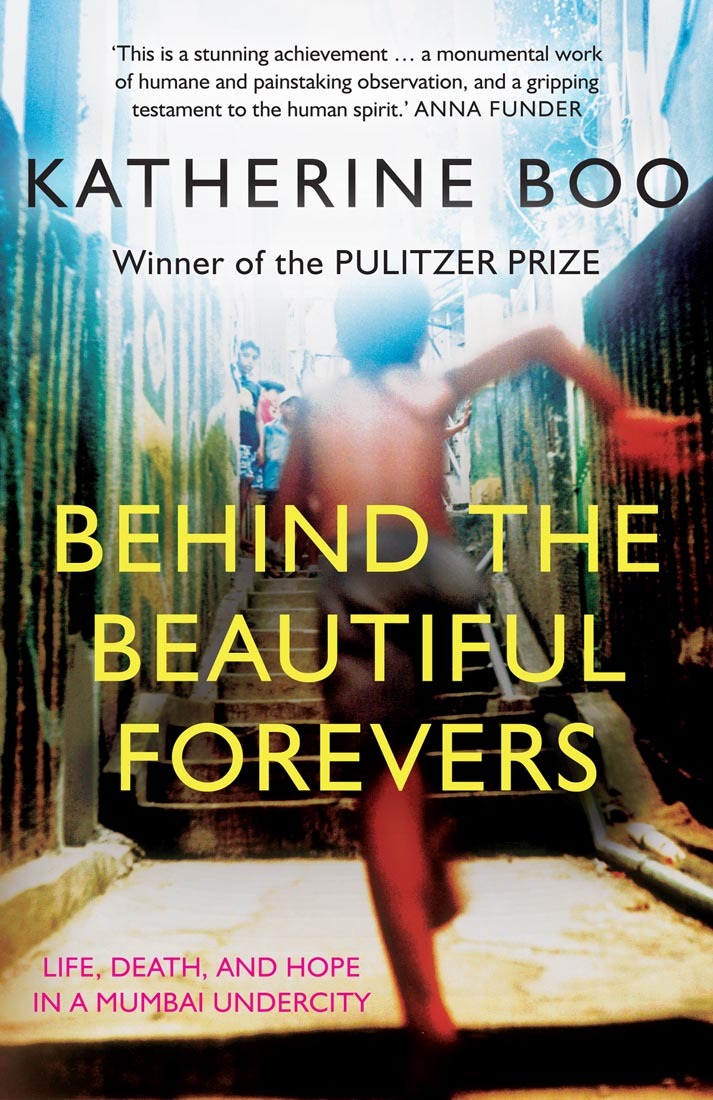
BehindBeautifulForeversBehind The Beautiful Forevers: Life, Death and Hope in a Mumbai Slum by Katherine Boo. I suppose the title pretty much sums up it up but don’t let that get you down. Boo won numerous book awards for this story and any traveler worth their salt knows that the closer to the bone you get to living in a country, the sweeter the meat. A journalist for the New Yorker, Boo takes us into the slum of Annawadi and its underworld of characters that make up the citizens who do what they can to make a life for themselves and their families who live on the other side of life in the shadows of shiny corporate hotels.

urbancircusAnother glimpse into the lives of others, The Urban Circus: Travels with Mexico’s Malabaristas by Catriona Rainsford takes you on a wild and wacky ride. Rainsford joined a group of young, itinerant street performers on a two-year journey across the country where she learned to live hand-to-mouth with them. If you’ve ever been to Mexico, this true story will give you a chance to see beyond the tourist zones and into the everyday lives, genuineness and character of Mexicans.

If you’re into adventure travel, or have customers who live for it, then this gripping and heart-stopping story is the perfect companion. The Emerald Mile: The Epic Story of the Fastest Ride in History through the Heart of the Grand Canyon by Kevin Fedarko is the harrowing tale of three guides who ride the Colorado River through the heart of the Canyon.  Check it out:

There’s loads of stuff out there. Are you reading any good travel stories these days, fiction or otherwise? Let me know, I’d love to hear about them.

Discovering Southern Values.

Ruffner Nature Center in Birmingham.  (Photo credit:  A. Headrick)

Ruffner Nature Center’s view in Birmingham. (Photo credit: A. Headrick)

Travelers lucky enough to fly around the globe are always on the hunt for new and different experiences and perspectives. For anyone without a lot of time to spare or who like quick getaways, there are plenty of cities and towns in the good old U.S.A. offering amazing food, cultural and natural attractions, or historical value. One of them is Birmingham, Alabama. That’s right, Birmingham, Alabama.

Why Birmingham? Because this week in September marks the 50th anniversary of the Civil Rights Movement in this southern city and institutions are generating tourism by making civil rights relevant for a younger generation. That might sound like a strange thing for anyone who grew up during the Civil Rights Movement, or for those of us who grew up in racially mixed areas exposed to a generation of African-Americans that had to fight for their rights. It seems crazy that there are Americans who aren’t fully aware of the events that took place during what is probably the most turbulent period in American history, but there are. This year, Birmingham has seen an uptick in visitors—whether through school outings, individual travelers, or families who want their children to understand the facts and details of one of this country’s darkest periods.

The Birmingham Civil Rights Institute.

The Birmingham Civil Rights Institute.

The Birmingham Civil Rights Institute (BCRI) opened in 1992 as an interpretive museum and research center.  BCRI is a cornerstone of this city and documents Birmingham’s role in the Civil Rights Movement.  Its mission is to promote civil and human rights worldwide.  Many of their education programs are geared towards young people with a goal to start a fire in the heels of the future. Their outreach education program reaches 20,000 people in various community spaces, and they have traveling exhibitions. The city gets its fair share of tour and convention groups, and individual travelers, who come to soak up the history by visiting BCRI and other historical places like the 16th Street Baptist Church, Bethel Baptist Church, and Kelly Ingram Park.

Kelly Ingram Park draws visitors to Birmingham.

Kelly Ingram Park draws visitors to Birmingham. (Photo credit: CLUI.)

For anyone pulling a weekender, there’s entertainment, outdoor activities, and nightlife. Whether your palate is high-brow or low-brow, you’ll find down home cooking and finger-licking barbecue, as well as some of the most exceptional food in the country. Over the past few years a handful of the city’s chefs were recognized with the James Beard Award and in Food + Wine. Its natural beauty is discovered at the 67-acre Birmingham Botanical Gardens, and five miles from the city is Ruffner Mountain Nature Center, a 1,000-acre preserve and urban forest with loads of hiking trails. State parks offer more opportunities to hike and bike year-round. Anyone into fishing will be happy to discover that Alabama is known as the “bass capital of the world.”

Birmingham shakes with history and It’s hard to go anywhere in the city without finding a place that’s significantly tied to the Civil Rights Movement. Its past is dark and complicated but the unity created by the brave, and mostly young, men and women during the Civil Rights Movement spurred a government to move this country forward.  It might not be a city that instantly comes to mind when you think about traveling in the U.S. but the historical and educational value, and southern hospitality,  you’ll find there is an excellent reason to visit.

It’s also one of the most affordable cities in the country.  If they don’t have it up their sleeve already, travel agents with the good habit of recommending destinations may want to add it to their list of places to visit in the U.S.

Gimme Shelter.

Shelter Island jewels. (Photo by author)

Shelter Island jewels. (Photo by author)

Anyone who’s visited the beaches of Long Island knows how lovely they are. Over the years I’ve clocked time in the gorgeous towns of East and South Hampton, the hamlet of Amagansett, and one of my favorite places in the world, Montauk, affectionately known as The End. But in all that time, I’d never been to Shelter Island. Always passed on the way out to the eastern end of Long Island, I’d look at the ferry sign and think that one day I’d visit. Anyone I know who’s been always spoke of how gorgeous it is. This past weekend I got to see its beauty.

I’m leaving on a…quick ferry ride. (Photo credit: Tim Kelly)

Nestled between the North and South Forks of Long Island, the island really is sheltered. I was heading there for a wedding, and took the first morning train on the Long Island Railroad out to Greenport. The three-hour journey is the first step in getting that “away” feeling and gives you time to read, nap, or catch up on whatever needs catching up. By the time the train arrives, decompression is nicely underway. A few steps later you’re at the ferry, excited with the anticipation of being so close to your destination. It’s a quick seven-minute zip across Shelter Island Sound but enough time to make me feel like I was a million miles from New York City.
Visiting Shelter Island is like being in a time capsule. With its lack of noise and overall hustle and bustle, white picket fences, gabled homes, wrap around porches, rolling hills, boats bobbing in the harbor, and lush land, it feels like Mayberry RFD. Its natural beauty is startling. Just to give you an idea, The Nature Conservancy owns one-third of the island. This keeps it real and keeps it wild. No one was walking around with head’s down staring at their cell phone; in fact I didn’t see one person on their phone the entire time I was there.

Dering Harbor.

Dering Harbor.

There’s no such thing as perfect but to this visitor the pristine beauty of Shelter Island was almost overwhelming. To boot, the weather was bright sunshine, no humidity and clear skies. From the moment I checked into the Chequit Inn, the wedding couple spoiled me (and all their other guests) rotten with goodies and meals. Sure, I was there to celebrate their union but being there gave me—and the rest of the crowd—an opportunity for a little vacation. A mode that everyone seemed to take to immediately.

The added bonus was reuniting with friends who don’t live in the US anymore, and making new ones. A gang of us rented bikes and spent Saturday exploring. It’s probably the best way to see Shelter Island, you can stop and start back up when you like. We rolled through the roads of Dering Harbor and gaped at the off the hook homes that look like something out of The Great Gatsby. We made a pit stop on a wide-arced, sandy white beach, empty except for a sole person in a deck chair reading; a turquoise umbrella sheltered her. Aside from the gentle lapping of water on the shoreline, all was quiet. She had the world at her feet and heaven around her.

A sweet ride.

A sweet ride.

We swam in Coecles Harbor, near the Ram’s Head Inn, where I found my new favorite sport—paddle boarding. We could have lolled seaside all day but we had to head back to our hotel to get spiffed up for the night’s festivities. Cycling home along the shoreline the breeze carried the sweet smell of grass and clover mixed with salty air, creating the sort of moment that only summer can bring. The sort of feeling you had as kid, when you didn’t have a care in the world. When a minute seemed like an hour, and before sound became noise. The feeling that you didn’t want the day to end, wishing you could capture it forever. Magic.

Sunset ceremony sky over Coecles Harbor.  (Photo credit:  Lawrence J. Winston)

Sunset ceremony sky over Coecles Harbor. (Photo credit: Lawrence J. Winston)

We returned to the Ram’s Head for the outdoor wedding ceremony during that golden hour where the sun blazed over the rolling lawn that overlooks the harbor. As it set, it cast a lingering gift of neon orange glow over the dinner party. Then this brilliant fireball slowly dipped into the sea. Delicious food, good times, no one wanted the glamorous night to end but we eventually had to call it quits.

Show me to my table.  (Photo credit:  D. Powell)

Show me to my table. (Photo credit: D. Powell)

The following day the celebration continued with lunch on a secluded private beach. More food, more drink, more laughs, more swimming. We combed for seashells and found a treasure of mermaid’s toenails, scallop, spindle and snail shells. My sun hat became a bucket for my bounty. So many shells, so much sunshine, so much summer.

Someone asked me what time I was leaving, I said never.

Happy As A High Tide Clam.

Ahoy matey, see you at the Wall.

Ahoy matey, see you at the Wall. (Photo credit: sailmanhattan.com)

Any plans to visit New York City anytime between now and October? If so, then you might want to think about fitting this into your itinerary. This goes for any locals who haven’t taken advantage of what’s bobbing in their own backyard.

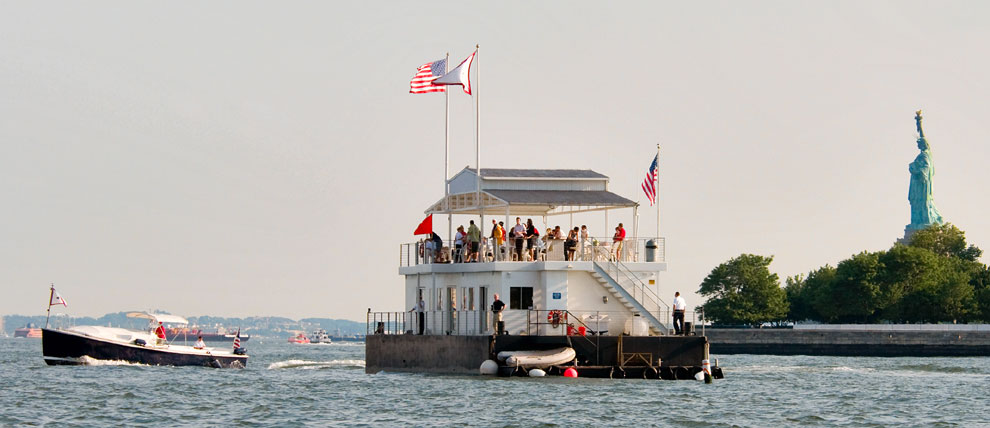
The Honorable William Wall is a floating clubhouse in the midst of New York Harbor, courtesy of the Manhattan Sailing Club. For anyone who can’t get enough of the city skyline, or just any opportunity to be on the water, it’s a must.

Are we there yet? (Photo credit: Peter Vincent Acken)

Are we there yet? (Photo credit: Peter Vincent Acken)

Anchored from May through October, the clubhouse is open Tuesday through Saturday and getting there is a breeze. Just head to the North Cove Marina in Battery Park City and hop aboard the Admiral’s Launch. Club members sail for free, otherwise it’s $18 round-trip and worth every penny. Reservations get priority boarding so if you’re set on sailing, book an advance ticket.

Some folks visit this watering hole for the chance to see evening sailboat races, while most others probably head there to sip a few while the sun starts its slow dip and lights up the city’s skyline. With 360-degree views that include Ellis Island and the Statue of Liberty, Jersey City, and Governors Island, there’s not a bad seat on this barge.

Not a bad sight.  (Photo credit: sailmanhattan.com)

Not a bad sight. (Photo credit: sailmanhattan.com)

Some friends and I visited this past Saturday. The sun was blazing and the weather was perfect as we bounced across the choppy water. About fifteen minutes later we disembarked, I looked up and a sign read “Welcome Aboard! Today’s special is “Bloody Floatin’ Mary’s.” My kind of place.

It was a Dark & Stormy night.  (Photo credit: Peter Vincent Acken)

It was a Dark & Stormy night. (Photo credit: Peter Vincent Acken)

The open-air, full service bar on the upper deck was bustling, and customers were ordering Dark and Stormy cocktails faster than the bartenders could mix them. There were smiles all around and everyone looked blissful in a way that only comes from being on the water. All of the tables and chairs were taken so we made our way to the lower deck and pitched our picnic atop a storage unit, unpacked some homemade snacks, made a toast, and enjoyed the view. On the tender back, the moon was rising.

The William Wall owes its sea legs to a Civil War congressman who was an ancestor of the club’s commodore, who runs this floating roadhouse. One of the draws is that you can bring your own grub. The clubhouse has some basic bar food, and you can even cater to the barge from an outside vendor, but all drinks must be ordered from the house. Not a bad deal in my book.

Far away, so close.  (Photo credit: Peter Vincent Acken)

Far away, so close. (Photo credit: Peter Vincent Acken)

These days it’s harder and harder to find a best kept secret in NYC but most folks I know haven’t heard of the Willy Wall. As far as new favorite things go, it’s made the list. I don’t have to travel far, get to be on the water, meet people, and appreciate my city from a different point of view.

Come visit. I’ll see you at the Wall!

What Do Wildlife and Travel Advisors Have In Common?

King of the Serengeti.

King of the Serengeti.

Tourism is the number one driver in the economy of many countries, especially in Africa. Millions of travelers visit countries on that continent each year to experience the one thing most people blow off as a dream—a safari. The jungle is teeming with all sorts of wildlife but most travelers go to see the Big Five—the Cape buffalo, elephant, leopard, lion, and rhino. Few things compare to the thrill of seeing them up close and personal. It’s humbling. Sadly, over the past decade more and more of these animals are on the endangered species list because of the profit made from the illegal wildlife trade. Most notably, the elephant, the rhino, and the lion. Worldwide and local conservation organizations are doing their best to prevent their extinction but the future of these creatures doesn’t look good.

Young rhinos goofing around in South Africa.  (Photo by author.)

Young rhinos goofing around in South Africa. (Photo by author.)

One of the reasons is that the money poachers earn from slaughtering these animals provides a massive source of income. In turn, some of these profits are funneled to fund terrorist groups. It’s amazing what you’ll find when you follow the money, and you can learn more about this in Killing Lions, Buying Bombs.  I’m not certain of what the solution is to deter poaching, it’s multidimensional for sure but I do know that education plays a huge role.

Another is for the travel industry to recognize the direct threat it poses to its livelihood. Knowledge is power and travel advisors who stay informed and educated about conservation bring value to its efforts by being part of the conversation and raising awareness. Tourism generates billions of dollars to the industry each year from travelers who set their sights set on a safari. What would be the draw if these animals didn’t exist? Travel advisors matter. Every voice and advocate who partners with conservation efforts, on any level, matters.

Chillin' at Chobe in Botswana.  (Photo by author.)

Chillin’ at Chobe in Botswana. (Photo by author.)

On the flip side, the communities within these countries need to be educated about what the loss of tourist dollars would mean to their economy and livelihood. The money generated by tourism in these countries not only pays the people directly connected to the travel industry, but indirectly as well. If managed right, this money goes back into the infrastructure, schools, healthcare, and the protection of wildlife and its natural habitat.

The rising extinction of these animals is alarming, but the article Through The Eyes Of The Maasai is inspiring. For starters, it made me want to book a flight to Kenya. But what really got my attention is how the Maasai, a semi-nomadic people, through education and collaboration with local and international communities realize that to keep their culture they have to shift their way of thinking and living. The Maasai occupy large tracks of land near game parks in Kenya and in northern Tanzania, live under a communal land management and use seasonal rotation to manage their livestock. The Masai Mara National Reserve is a huge draw for tourists who visit to experience the bonanza of wildlife, especially the wildebeest migration and to see the big cats. The camps that offer accommodation, some on Maasai land, to these visitors benefit tremendously. For tourists, the value of the trip is usually immeasurable.

Dmitri Markine.com http://www.dmitrimarkine.co...

Masai Dance, Maasai Mara Reserve,Kenya. The higher you jump the more women you can marry.(Photo credit: Dmitri Markine Photography)

Whatever side of the tourism road you’re on, education is key to preserving not just the wildlife but the habitat and way of life within the countries most folks regard as “bucket list” destinations.

Everything—from the lion to the livestock herder—is connected.


The NSA, Edward Snowden, and the South of Italy.

Italy's Palinuro beach. (Photo credit: G. Nepi)

Italy’s Palinuro beach. (Photo credit: G. Nepi)

Fires, drought, tornadoes, and a relentless heat wave across much of the US.  July pretty much did us in. Now August is here and the government’s put a crimp in our travel plans.

Some people mark Labor Day as the end of summer, not me.  My friends are familiar with my mantra of “summer’s not over ‘til I say it is.”  September sometimes turns out to be the best month. The heavy heat is off your back and most days are clear blue skies. In which case—unless Mother Nature unleashes some more of her relentless wrath for messing with her ground work—by my count there are seven or eight perfect weekends left to get lost. If you can tack on a Friday and/or Monday, all the better.

If you’d planned on any Middle East travel…well, we know what happened to that itinerary. Talk about things getting hot. But let’s get back to August, the quintessential summer month. Now we’ve been told that we’ve got to watch our backs if we’re out there flying the friendly skies internationally. Seasoned travelers roll with these punches and tend not to get freaked out by this type of information. This is when flexibility comes in handy.

Summer in Moscow.

Summer in Moscow.

And then there’s Edward Snowden. For weeks I’ve wondered what the hell he’s been eating in that Netherland of the Moscow airport he’s been calling home. As a food snob, the thought that he’d been subsisting on processed airport cuisine made me cringe. But this young man has friends in high places, so I’m sure he was well-tended. He’s obviously not a traveler. For a man who did work for the folks who play in secrets and shadows, he should have read Ian Fleming in his spare time. Sure, Russia just granted him asylum but of all the places to hole up, he picked the birthplace of the KGB. Poor planning Mr. Snowden, you should have consulted with a travel agent.

Jumbo Rocks campground at Joshua Tree. (Photo credit: Nate2b)

Jumbo Rocks campground at Joshua Tree. (Photo credit: Nate2b)

There are plenty of weekend adventures out there waiting for you. It’s sometimes a little too easy to put a getaway—whether it’s camping, a beach house, or a quick flight—on the back burner.  If friends invite you somewhere, go!  There are always chores to do, especially if you’ve got kids, but you’ll never regret having made the trip. Besides, that’s what the cooler months are for. An Italian barber my guy goes to told him, “September? Phew, Italy in the South–it’s gorgeous!  It’s still hot enough to swim and everyone’s still going to the beach.”

Sounds like an excellent plan to me.