Category Archives: Travel Agents

Remembering a Globe Trotter.

He traveled from here to Timbuktu and lots of other places.

He traveled from here to Timbuktu and lots of other places.

A particular piece of news caught my eye last week when I read about the death of William Haeseler III.

Who, you might ask?

For most people, the name probably doesn’t ring a bell.  It didn’t ring a bell for me either but the fact that he spent his life traveling around the world did.  The fact that he spent his career as a travel agent did, and the fact that he wrote about his travels in a weekly column got my attention.

Except for obituary mentions, when I googled Mr. Haeseler he doesn’t show up anywhere.  I looked for Mr. Haeseler on Facebook and on LinkedIn but didn’t find him there either.  It’s possible he had a presence on those social media sites and that his profiles were pulled down quickly, but I don’t think so.  What he did have was a presence in the travel industry.  Along with his wife, he led tours to remote destinations like Antarctica and Timbuktu. You never hear of anyone going to Timbuktu.

He also won National Geographic’s geography contest.  The prize? Around-the-world vacations for him and his wife.

Mr. Haeseler knew his stuff.  Originally from North Tonawanda, NY, he traveled to over 150 countries.  He even wrote a book, My Whole Life Was A Vacation.  His weekly column, Globe Trotting, ran for more than 20 years in his local paper.  This guy clearly lived and breathed travel and used his position as a travel agent as a platform to shout about it. That, I’m sure, generated a boatload of business for him within his local community and perhaps even further afield. No one told him it was part of his job, no one told him it wasn’t.  I suppose it just seemed natural for him to share his experiences and love of places.  It was a passion and when something becomes a passion it injects desire, discovery and inspiration into your personal and professional life and you want to share it.  He died at 83.

We could all learn a thing or two from Mr. Haeseler.  Travel agents who toy around with writing about their experiences need to come out of the shadows.  Be bold, take the first step, trip, fall, get up and do it all over again.   Just keep at it, make it a habit. Sound your voice.  It may or not be squeaky but the only way to know is to share it.

It’s easy to cuddle up in the arms of resistance but it’s a dangerous place to live if you want to stay relevant in this ever-changing industry.

Thank you Mr. Haeseler for your exploratory spirit on and off the page.  Thank you for sharing and for showing us how it’s done.

Read more about William Haeseler III.

Seeing the Awe, Not the Ugh.

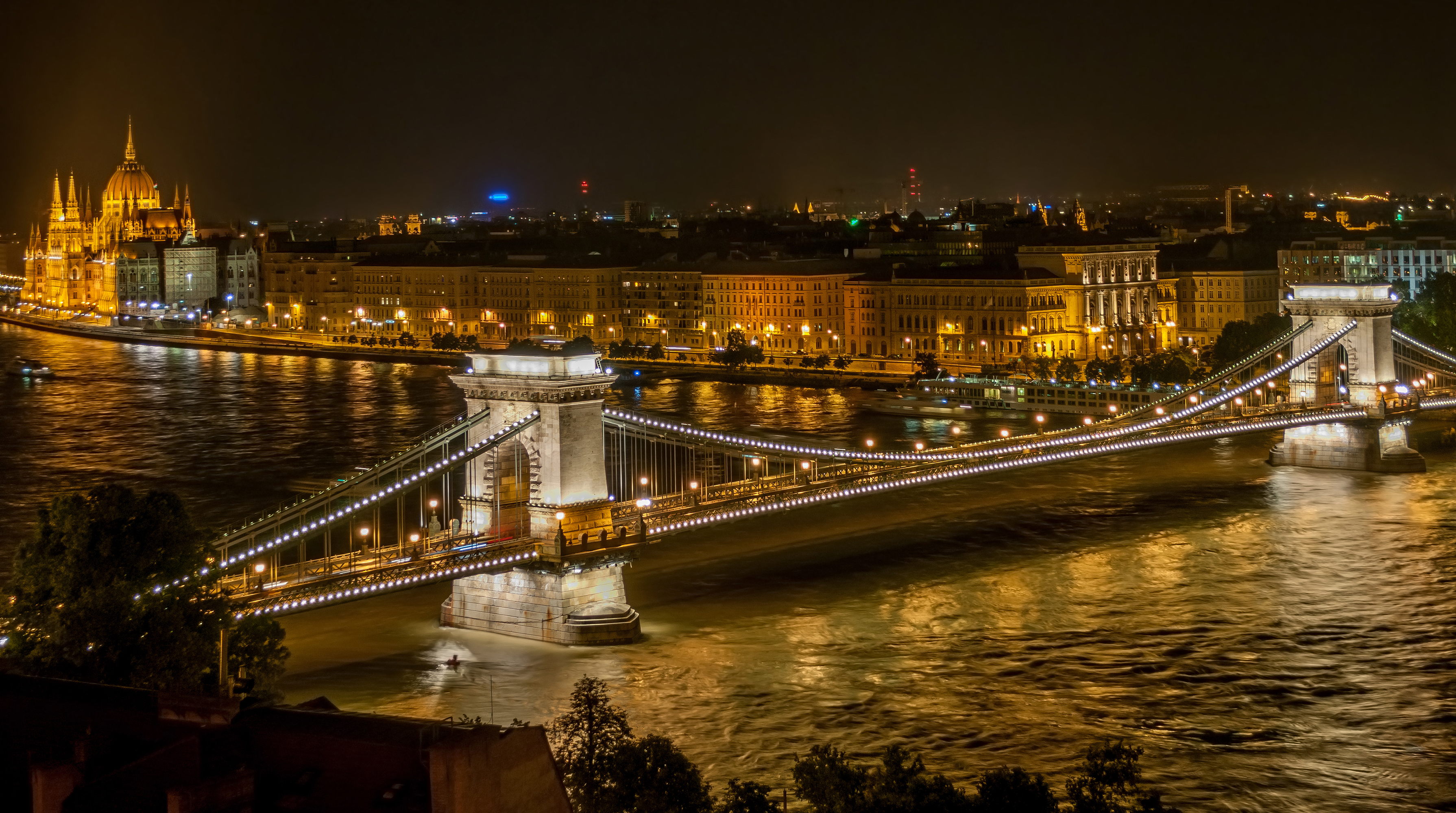
Take me to the river. Széchenyi Chain Bridge, Budapest.

Take me to the river.   Széchenyi Chain Bridge, Budapest.

Back in the fourth grade one of the assignments given to my class was to research the history of a country.  I wanted England.  I was nine years old and I was really into English novels and all things British.   England was mine.

The teacher passed a hat around and asked us to pick a folded slip of paper from it and pass the hat to the student behind us.  My turn came and I dipped my hand into the hat, closed my eyes and willed England.  Instead, I got Hungary and the only thought that went through my head was—you gotta be kidding me (actually it was something else).

I asked my teacher if I could swap Hungary for England.  She said, no.  She was the teacher, I was the student, and this was Catholic school.  Back then, no really did mean no.   So I had myself a little pity party on the way home, got over my bad self and sucked it up that I was stuck with a country that I had no interest in, much less to write about.

I thought of that experience recently when I met with a group of travel counselors to discuss the value of them writing about their travels.   Many of them don’t think that they can write or they’re uncomfortable with the idea of it.  For others, there’s no interest or they just don’t see the value in it.  I get it, it’s not what they signed up for, it’s not in “the box” that’s their profession.  Throwing foreign stuff into the game of what we do every day and what we think we know can be startling and icky.

Recently, I wrote an article about developing your skills and interviewed career coach Kathy Gonzales.  She told me, “The thing that repulses you has gold inside.”  What exactly does she mean by that?  Basically, that we put roadblocks in front of ourselves that might prevent us from seeing an opportunity.  We assign an “ugh” instead of awe to an opportunity.   She also offered this advice, “Do something that you don’t want to do. Do something that you’re afraid to do because in the process of doing that you’ll open yourself up to removing certain blocks, you’ll open up perspectives, and you’ll learn something new.  Mostly, you’ll learn something that you thought you knew but don’t know.”

I get that doing something you don’t want to do is uncomfortable.  I also know that travel agents who take the first step and put pen to pad will discover a world inside themselves they didn’t know existed.  They’ll see the gold.

I reluctantly researched Hungary and the more I learned, the more I burned with curiosity about the place.   I begged my mom to make goulash but that wasn’t happening in our house.   In the end, I turned in my paper and turned out an A+.  It felt good, I felt good, I was on fire.

Decades later, I found myself in Hungary gazing at the magnificent stone, Széchenyi Chain Bridge that reaches over the Danube River connecting Buda to Pest.  I felt a connection to this place.  I also remembered my stubborn, younger self.  Funny how things shake out.

Yea, sometimes we have to push ourselves kicking and screaming into doing something we don’t want to do it.  But try it.  Give yourself a chance.  You just may discover you’re on fire.

Sorry About Your Vacation But We’re Closed.

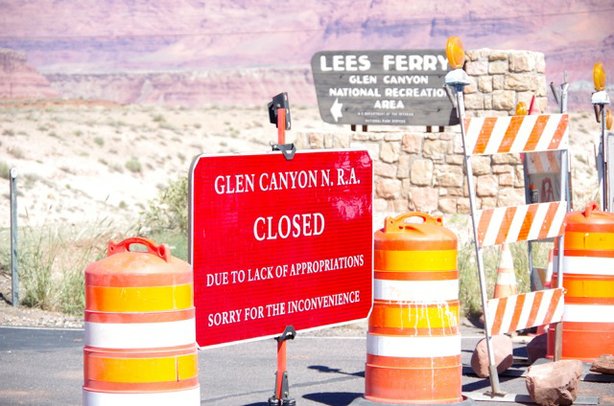
You're joking...right? (Photo credit: Laura Morales.)

You’re joking…right? (Photo credit: Laura Morales.)

Yesterday my boyfriend asked me, “How pissed would you be if when we’d gone to Egypt they’d told us ‘sorry, the pyramids are closed today’?”  I don’t think I really have to answer that question.

But that’s how it’s gone this week for millions of tourists across the United States because of the federal government shutdown.  National parks, museums, and other famous institutions that draw visitors from across the U.S. and abroad are shut out from some of the most inspiring, natural, awesome, and thought-provoking experiences this country has to offer.  For the folks doing the traveling it’s been a major disappointment.  Sure, there are some who’ve made lemonade from the lemons of our government’s internal affairs, but for others the plans they’d had to visit the country’s federally run attractions have turned out to be a bust.

Travel advisors and tour operators who are politically aware may have had a jump on things by having a Plan B up their sleeve for their customers.  I hope so, anyway.   But for travelers who like to go it alone, what started out as an eager vacation has most probably turned into a frustrating experience and a poorer view of our government.  This especially holds true for any foreign visitors.

As of today, the government is in day four of its shutdown but there’s strength in numbers. Travel agents, the travel industry as a whole, and U.S. citizens can do something about it.

How?  All you need to do is write your federal representative.

Tell them how you feel.  Especially for anyone in the travel industry whose livelihood depends on tourism.  It’s that easy.

Power to the people, and to travelers.

Howl or Stare, It’s The Time of the Season.

I

Full tilt at the Full Moon party in Koh Phangan.

Full tilt at the Full Moon party in Koh Phangan.

I am not the same having seen the moon shine on another part of the world.
–Mary Ann Radmacher Hershey

Sunrise. Sunset. These two daily occurrences loom large for travelers no matter their budget. Wherever you may go, these natural—and free—gifts often feature in photos as the main event or as a backdrop to our travel experiences. Depending on the destination, travelers often set their day by that bright and brilliant starburst but there’s another player with a different kind of pull. The moon.

Some travelers plan their trips around this great big ball in the sky. You know who you are. It might seem nutty but knowing when the moon is full is a major bonus to your journey. While some folks might not be able to alter their travel plans based on the lunar calendar, travel advisors who keep this little gem in mind might just add a unique experience to a customer’s trip. Knowing this bit of info may earn you a bit of star status in their book.

Cruising by the light of the moon.  (Photo credit: Carnival Sunshine.)

Cruising by the light of the moon. (Photo credit: Carnival Sunshine.)

A full moon is beguiling, romantic, and hypnotic. Whether you’re on a beach or on the deck of a cruise ship, it lights up the ocean like a Hollywood movie set. Lakeside or hillside, a full moon is a major gift when you’re camping. Road trippers take advantage of the added value of its silvery light, and surfers love it. A full moon safari walk is magical. Yosemite under its light is otherworldly. Moonlight kayak tours are peaceful and meditative. And while I’ve never been, I hear the infamous Full Moon Party at Koh Phangan in Thailand is off the planetary chart. I’m sure there’s a lot more than howling going on there.

An Arizona Harvest Moon.

An Arizona Harvest Moon.

Where are you or your customers this week? There’s a lot happening in the heavens right now. Especially if you’re outside the scope of city lights. Wherever you are, look up.

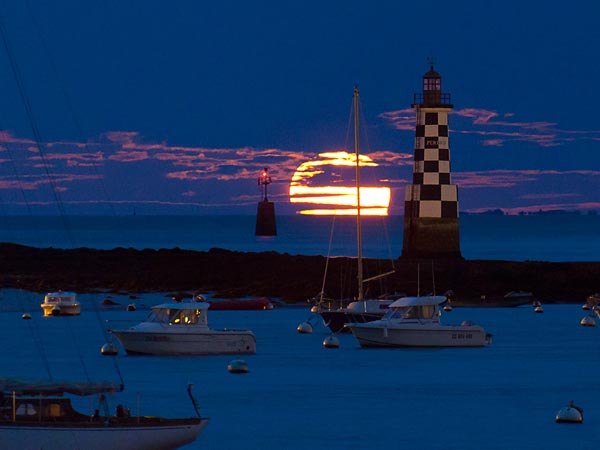
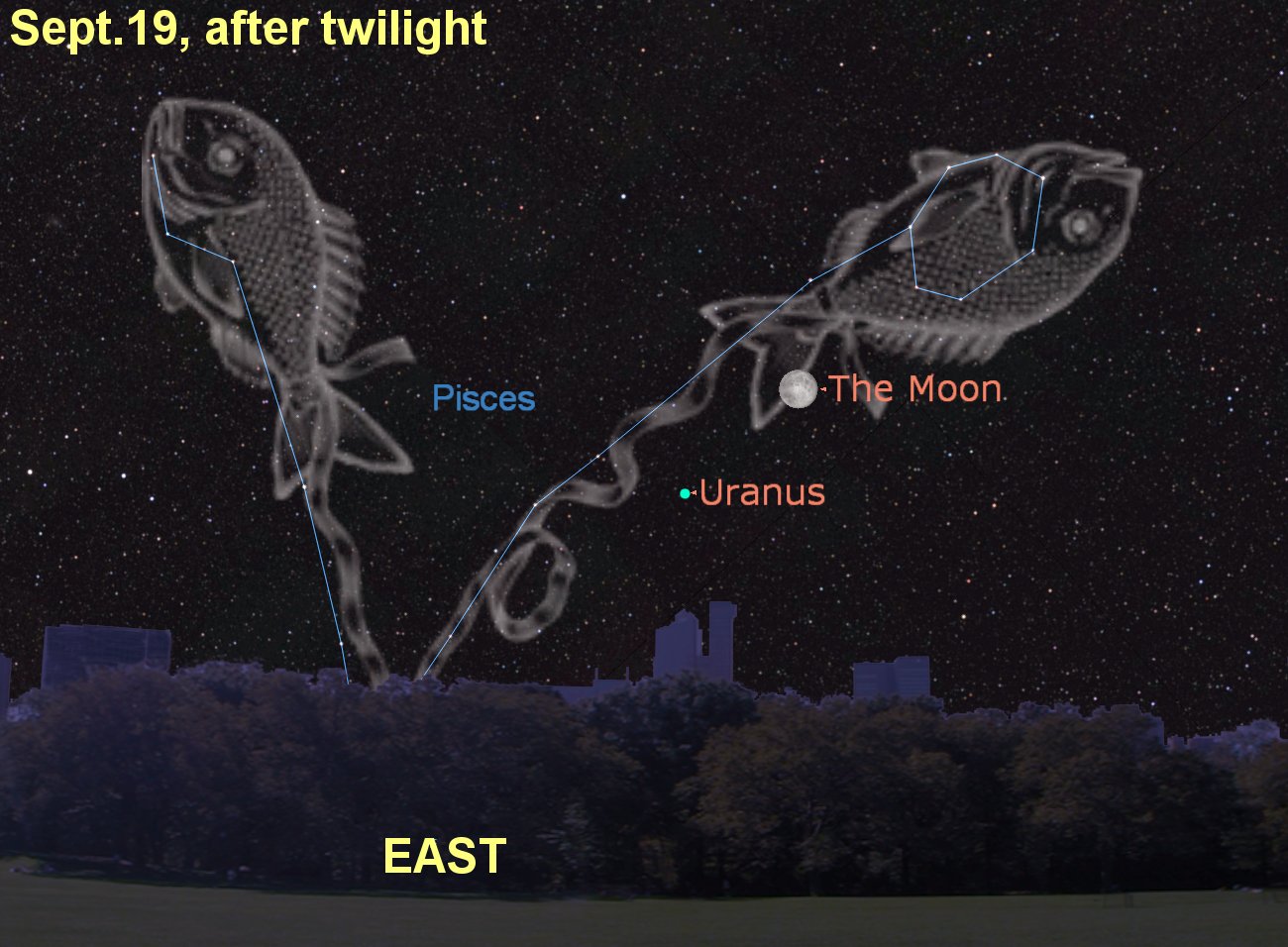
Talk about celestial seasonings, Venus and Saturn joined forces on Monday and will stick around for the week. They ride low after sunset but anyone with access to a telescope, whether you’re on a ship or in your backyard, will be able to glimpse Saturn’s rings. The star attraction, the full Harvest Moon peaks tonight. I stopped and stared at its near perfect formation last night on my way home, while the sun set behind me. Uranus will cozy up with the moon on Thursday, September 19. Otherwise known as the “green giant,” it’ll come so close that their combined wattage will equal 8 full moons side by side. Get out those binoculars, shoot for the moon and you’ll easily pick out that planet.  I’ve got no  idea what Pisces has to do with this picture but something’s fishy.

It'll be a starry, starry night this week.  (Image credit: Starry Night Software/ A.Fazekas.)

It’ll be a starry, starry night this week. (Image credit: Starry Night Software/ A.Fazekas.)

Lastly, for those of us in the northern hemisphere, I guess it’s time to say goodbye to the summer as autumn enters center stage on Sunday. Bittersweet, yet, but thankfully fall graces us with foliage rich with jewel tones and with more reasons to travel.

If you can work in the full moon on October 18… all the better.

Discovering Southern Values.

Ruffner Nature Center in Birmingham.  (Photo credit:  A. Headrick)

Ruffner Nature Center’s view in Birmingham. (Photo credit: A. Headrick)

Travelers lucky enough to fly around the globe are always on the hunt for new and different experiences and perspectives. For anyone without a lot of time to spare or who like quick getaways, there are plenty of cities and towns in the good old U.S.A. offering amazing food, cultural and natural attractions, or historical value. One of them is Birmingham, Alabama. That’s right, Birmingham, Alabama.

Why Birmingham? Because this week in September marks the 50th anniversary of the Civil Rights Movement in this southern city and institutions are generating tourism by making civil rights relevant for a younger generation. That might sound like a strange thing for anyone who grew up during the Civil Rights Movement, or for those of us who grew up in racially mixed areas exposed to a generation of African-Americans that had to fight for their rights. It seems crazy that there are Americans who aren’t fully aware of the events that took place during what is probably the most turbulent period in American history, but there are. This year, Birmingham has seen an uptick in visitors—whether through school outings, individual travelers, or families who want their children to understand the facts and details of one of this country’s darkest periods.

The Birmingham Civil Rights Institute.

The Birmingham Civil Rights Institute.

The Birmingham Civil Rights Institute (BCRI) opened in 1992 as an interpretive museum and research center.  BCRI is a cornerstone of this city and documents Birmingham’s role in the Civil Rights Movement.  Its mission is to promote civil and human rights worldwide.  Many of their education programs are geared towards young people with a goal to start a fire in the heels of the future. Their outreach education program reaches 20,000 people in various community spaces, and they have traveling exhibitions. The city gets its fair share of tour and convention groups, and individual travelers, who come to soak up the history by visiting BCRI and other historical places like the 16th Street Baptist Church, Bethel Baptist Church, and Kelly Ingram Park.

Kelly Ingram Park draws visitors to Birmingham.

Kelly Ingram Park draws visitors to Birmingham. (Photo credit: CLUI.)

For anyone pulling a weekender, there’s entertainment, outdoor activities, and nightlife. Whether your palate is high-brow or low-brow, you’ll find down home cooking and finger-licking barbecue, as well as some of the most exceptional food in the country. Over the past few years a handful of the city’s chefs were recognized with the James Beard Award and in Food + Wine. Its natural beauty is discovered at the 67-acre Birmingham Botanical Gardens, and five miles from the city is Ruffner Mountain Nature Center, a 1,000-acre preserve and urban forest with loads of hiking trails. State parks offer more opportunities to hike and bike year-round. Anyone into fishing will be happy to discover that Alabama is known as the “bass capital of the world.”

Birmingham shakes with history and It’s hard to go anywhere in the city without finding a place that’s significantly tied to the Civil Rights Movement. Its past is dark and complicated but the unity created by the brave, and mostly young, men and women during the Civil Rights Movement spurred a government to move this country forward.  It might not be a city that instantly comes to mind when you think about traveling in the U.S. but the historical and educational value, and southern hospitality,  you’ll find there is an excellent reason to visit.

It’s also one of the most affordable cities in the country.  If they don’t have it up their sleeve already, travel agents with the good habit of recommending destinations may want to add it to their list of places to visit in the U.S.

What Do Wildlife and Travel Advisors Have In Common?

King of the Serengeti.

King of the Serengeti.

Tourism is the number one driver in the economy of many countries, especially in Africa. Millions of travelers visit countries on that continent each year to experience the one thing most people blow off as a dream—a safari. The jungle is teeming with all sorts of wildlife but most travelers go to see the Big Five—the Cape buffalo, elephant, leopard, lion, and rhino. Few things compare to the thrill of seeing them up close and personal. It’s humbling. Sadly, over the past decade more and more of these animals are on the endangered species list because of the profit made from the illegal wildlife trade. Most notably, the elephant, the rhino, and the lion. Worldwide and local conservation organizations are doing their best to prevent their extinction but the future of these creatures doesn’t look good.

Young rhinos goofing around in South Africa.  (Photo by author.)

Young rhinos goofing around in South Africa. (Photo by author.)

One of the reasons is that the money poachers earn from slaughtering these animals provides a massive source of income. In turn, some of these profits are funneled to fund terrorist groups. It’s amazing what you’ll find when you follow the money, and you can learn more about this in Killing Lions, Buying Bombs.  I’m not certain of what the solution is to deter poaching, it’s multidimensional for sure but I do know that education plays a huge role.

Another is for the travel industry to recognize the direct threat it poses to its livelihood. Knowledge is power and travel advisors who stay informed and educated about conservation bring value to its efforts by being part of the conversation and raising awareness. Tourism generates billions of dollars to the industry each year from travelers who set their sights set on a safari. What would be the draw if these animals didn’t exist? Travel advisors matter. Every voice and advocate who partners with conservation efforts, on any level, matters.

Chillin' at Chobe in Botswana.  (Photo by author.)

Chillin’ at Chobe in Botswana. (Photo by author.)

On the flip side, the communities within these countries need to be educated about what the loss of tourist dollars would mean to their economy and livelihood. The money generated by tourism in these countries not only pays the people directly connected to the travel industry, but indirectly as well. If managed right, this money goes back into the infrastructure, schools, healthcare, and the protection of wildlife and its natural habitat.

The rising extinction of these animals is alarming, but the article Through The Eyes Of The Maasai is inspiring. For starters, it made me want to book a flight to Kenya. But what really got my attention is how the Maasai, a semi-nomadic people, through education and collaboration with local and international communities realize that to keep their culture they have to shift their way of thinking and living. The Maasai occupy large tracks of land near game parks in Kenya and in northern Tanzania, live under a communal land management and use seasonal rotation to manage their livestock. The Masai Mara National Reserve is a huge draw for tourists who visit to experience the bonanza of wildlife, especially the wildebeest migration and to see the big cats. The camps that offer accommodation, some on Maasai land, to these visitors benefit tremendously. For tourists, the value of the trip is usually immeasurable.

Dmitri Markine.com http://www.dmitrimarkine.co...

Masai Dance, Maasai Mara Reserve,Kenya. The higher you jump the more women you can marry.(Photo credit: Dmitri Markine Photography)

Whatever side of the tourism road you’re on, education is key to preserving not just the wildlife but the habitat and way of life within the countries most folks regard as “bucket list” destinations.

Everything—from the lion to the livestock herder—is connected.

http://www.youtube.com/watch?v=bGdHmDpqx6E


Stuck In The Middle With You, Ernest Hemingway and His First Wife.

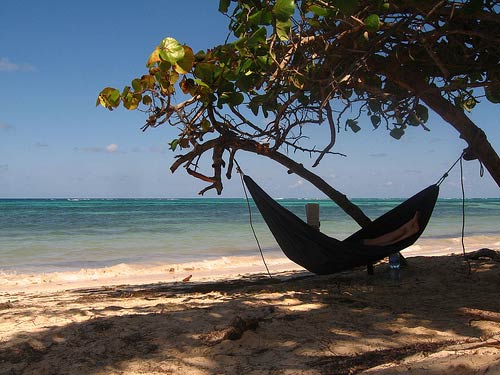
Hammock-Beach-ReadingIt’s official, as of today, summer’s here! Thank the Lord. Spring is about glorious awakenings, autumn treats us to some of the most brilliant colors, and winter may get a bum rap but I love it because there’s nothing like waking up to a fresh carpet of snow, unless you’ve got to dig your car out from six feet of it.  But there’s just something about summer.   It somehow gives us a free pass. It allows us to shed the stress and slog of the daily grind. It’s kind of unspoken but it seems to allow for a universal laziness of sorts. Even retired friends and relatives whoop it up more, which is kind of strange since they don’t work. The Europeans have it right with their extended weeks of summer vacation. It’s probably one of the few areas where the U.S. missed the boat. But hey, you get what you get, so make the most of it, and for those travel ambassadors out there—don’t forget to write about it.

Woman_reading_at_the_beachOne of the pleasures of planning a summer holiday is figuring out what books to take, especially if you’re flying. The only thing that makes a plane ride bearable if you’re stuck in the middle seat of a coach flight is a good book. You’re partly folded up as it is, so why not go all the way and dive into a classic, or mystery, or someone else’s life? There’s nothing like tucking into a real page-turner. If you’ve already hit the road, chances are you’re toting a few books or a Kindle or some other digital device to get your reading kicks. Whether they’re of the rip and read variety or epic tomes, when you’re in the thick of a good tale, nothing—not even sleep—can get you to put a good book down. Pay no mind to anyone who may think you’re just lying around. Reading is an activity and a good one to have. Plus, it makes you a better writer. Whatever your plans are—vacation or staycation—books fuel that sense of escapism. Here are a few recommendations, fiction and non-fiction, collected from reading junkies, to pack for any summer getaway. They are in no particular order.

The Good Nurse: A True Story of Medicine, Madness, and Murder by Charles Graeber. Terrifying, unsettling, suspenseful, thoughtful—this is true crime at its finest. Graeber’s investigative journalism into the nine-year killing spree by the nurse, Charles Cullen, is up close and personal but it’s the cover-up by the hospital administrators that’ll really freak you out. I had the good luck to catch Graeber’s appearance at a local bookstore and the hairs went up on the back of my neck just listening to the excerpts.

My friend Mary has a thing for the British spy genre so if you’re up for a bit of espionage, betrayal, suspense—and who isn’t when it’s not your life—then you may want to venture down this road. Restless by William Boyd is a historical novel set during WWII. Its heroine is a 28-year-old Russian émigré living in Paris who ends up in the British Secret Service and learns to become the perfect spy. If you’re in the mood for more passion and deceit, she also recommends Sweet Tooth by Ian McEwan. It’s an intriguing tale about an Oxford-educated middle-class girl in 1970s England whose beauty and intelligence leads her into a double life as a drab civil servant and as a secret agent infiltrating the current literary intelligentsia. Ultimately, it’s about the process of writing a novel seen through the eyes of a duped writer who falls prey to what turns out to be a disastrous government scheme to manipulate Cold War sympathies through the literary world.

If you’re into weird and supernatural stories, lose yourself in Vampires In The Lemon Grove by Karen Russell. Eight short stories make up the collection within these magical tales where anything can happen, from captive girls transforming into silkworms (creepy), to a president reincarnated as a horse. Russell’s been noted one of the best writers under 40 and she also wrote the best seller Swamplandia.

Wild: From Lost to Found on the Pacific Crest Trail by Cheryl Strayed. Strayed’s name couldn’t be more perfect. In the wake of loss after her mother’s death, and then her marriage, Strayed goes it alone with no experience, to hike the Pacific Crest Trail. She’s a train wreck and you’ll journey with her through the solitude, the terrain, and meeting and experiencing the other beings along the way that lead her to knowledge and healing. This book shows us why travel is good for the soul.

Visit the ex-pat life during jazz-age Paris with Ernest Hemingway in this novel told from the perspective of his first wife, Hadley Richardson. It may sound like paradise but the man was no picnic. The Paris Wife by Paula McLain takes you into their world and shows us heaven and hell all wrapped up in one.

Italian Folktales by Italo Calvino. This collection of magical, scary, and wacky tales is good for all ages and it made the New York Times Best Book of the Century List. One note, the Kindle version doesn’t live up to what’s in the paperback.

I wouldn’t want to relive my teenage years but revisiting the adolescent angst-ridden days of Mary Karr’s youth growing up in East Texas in her memoir Cherry is a wild ride. Karr’s writing is riveting, raw and addictive. There’s not a wasted word, and men and women will glimpse themselves in her writing. After her first kiss with a local boy she nails it when she wonders, “How can you know such a thing about a person and not lean into it?” Insecurity never felt so good.

The Magician’s Nephew by C.S. Lewis. The back-story to The Lion, The Witch and The Wardrobe. Whether you’re 15 or 50, it’s C.S Lewis and it’s pure magic, and the perfect summer story to take you far, far away.

Transatlantic by Colum McCann. This book is on the reading list of pretty much every one I hit up for recommendations. It’s a multi-layered tribute story in which McCann explores the ties between the U.S. and his Irish homeland. This novel leapfrogs continents, centuries, and introduces a cast of real and fictional characters.

Joyland by Stephen King. All I know is that it’s a paranormal mystery tale and can only be purchased in hard copy or audio download, but it’s summer and it’s Stephen King so why not spend it with a master storyteller.

As much as I love summer, I wilt in the heat. A boiling hot New York day is not my idea of a good time, which makes Endurance: Shackelton’s Incredible Voyage by Alfred Lansing, one of my all time, favorite summer reads. This story is the definitive account of Ernest Shackelton’s fateful trip to cross the Antarctic overland. It didn’t turn out too good when his ship, the Endurance, became trapped “like an almond in a chocolate bar” in the ice and eventually crushed. Shackelton and his crew survived on drifting ice packs in one of the most inhospitable areas on the planet.  I’ve read it a few times.

There are loads of best of summer reading lists out there. What’s in your hot little hands these days?

Trick Of The Eye.

English: Aerial view of Everest. Picture taken...

This past week, on May 29, marked the 60th anniversary of the first successful British expedition to Mount Everest.  These days we’re able to travel easily to pretty much any place on the planet, yet Everest still represents a challenge to anyone who attempts to climb it.   That’s a good thing.

We all have our Everest.  It might be something we’ve already accomplished or something we’re still aiming toward.   We may keep it private or choose to publicize it.  Whether we’re taking baby steps or moving fast, the point is we’re moving.  That’s also a good thing.  Writing is like this, and for travel agents and advisors with any interest in using this medium to create value for themselves, and their customers, taking advantage of the opportunities that expose them to travel experiences is key.  Sometimes you need to have “soft eyes” to see the opportunities.

What are soft eyes?  If you’ve ever been on safari, you know what they are.  If not, well…it’s
kind of like separating the forest from the trees, literally.  Everything looks like the same color out there on the savannah but the place is teeming with animals, large and small, yet many times you can’t see them.  So you try really hard to find them, and you can’t…but they’re there.  Opportunities that connect you to travel can kind of be like that and I recently found one.  It’s not always possible to get away, so I’ve come to have soft eyes about where I get my travel kicks.

Stray cats...how many can you spot? (Photo by author.)

Stray cats…how many can you spot? (Photo by author.)

The Times, Mount Everest Expedition report, May 1953.  (Photo credit:  The Times)

The Times, Mount Everest Expedition report, May 1953. (Photo credit: The Times)

Ever read Pax Britannica?  If not—no worries.  I haven’t read it either, but I do know who Jan Morris is—she’s the author of that book.  She also accompanied the first British summit to Mount Everest, except at that time she was a man.  In 1953 Morris was a journalist for The Times, and was assigned as an embedded special correspondent with Sir Edmund Hillary and Nepalese Sherpa Tenzing Norgay on their trek to Everest.  The rest—as we know—is history, and that summit also made Morris famous.  Morris had never climbed a mountain before that epic journey but was a very ambitious person and saw the opportunity for what it was.  Years later Morris became a well-known, and well-respected, travel writer.  In April, I worked an event at the Times Center and noticed that she would be in New York City for a Times Talk interview as part of GeoEx’s far-flung journeys.  I immediately booked a ticket.

A few weeks later, sitting in the theatre, listening to Jan Morris’ English accent, it almost felt like we were at home with her in Wales as she retold her travel tales.  The only thing missing was the pot of tea.  The questions focused on Everest but eventually settled on traveling and writing.  It was good to hear that she writes for her own pleasure.  So many times you hear of writers who slog it out, but writing—especially when it flows—is extremely pleasurable.  Sure, as a journalist, she may have had a head start but she still had to experience a sense of place to write about the destinations she visited.  And so it goes with travel agents.

Jan Morris in Wales.

Jan Morris in Wales.

For those who have no writing experience, where do they start?  The place we all start, at the foot of the mountain. There is no other way.  When asked how she takes stock of a new place, Morris quoted from The Bible, “grin like a dog and run around the city.”   Travel agents who go away on their company’s dime often travel with industry colleagues and adhere to an itinerary, but that doesn’t mean they can’t break away from the pack.  The best moments to write about often come from meeting up with locals or finding your own special spot.  It’s about capturing all the experiences—large and small—that happen along the way and mining your notes for the gems.

Those who climb Everest, or any mountain, don’t fix their eyes at the top.  They put one foot in front of the other and take it step by step. They rest, they watch, they climb. They collect information all along the way.  It’s about soft eyes.

What kind of travel opportunities do you see these days?

Sunshine Of Your Love.

Cape May, NJ.  (Photo credit: destination360.com)

Cape May, NJ. (Photo credit: destination360.com)

Like a lunch hour, this Memorial Day weekend is a good time to take a break, hook up with friends, or just pause to think about what you’d like to do this summer.  Maybe you’ll pack a bag and hit the high road in search of a life-changing experience, or hightail it out-of-town for some rest and relaxation.  Whatever you’re in search of, don’t discount discovering it in destinations a little closer to home or on the East Coast.  The areas that took a beating from Hurricane Sandy are ready to throw their arms wide open to visitors.

From Cape May to Montauk, Atlantic shorelines and state parks are working fast and furiously to welcome beach goers this weekend.  For those of us who live in the region, these towns and beaches are paradise after a long and dreary winter.   No car?  No worries!  Depending on your point of interest, you can easily hop a train, bus or ferry to visit.  The New Jersey Shore is open for business—that’s the rallying cry up and down their coastline—and southern shore towns are absorbing visitors that traditionally travel to areas further north, where it’s taking a bit longer to recover from the storm’s damage.  Long Island beaches and state parks will re-open this weekend with limited access in some areas.  In the borough of Staten Island, new, modular units made in Pennsylvania will be transported to the beaches to replace the comfort stations destroyed by Sandy.   They look pretty cool and New York City has invested a nice chunk of change for these units, which will pop up this summer in Coney Island and the Rockaways as well.  This is all good news.  These beaches may not all be 100% perfect but the point is, they’re working hard to make sure they’re ready for you.

The famous Rockaway boardwalk is gone, but that doesn’t mean you can’t enjoy the seashore.  The damaged concession stands are being rebuilt but in their absence NYC food trucks will be out to serve the good grub they’ve become known for on the city’s streets.  Sandy wiped out Rockaway Taco‘s boardwalk café, but fingers crossed, they’ll be up and running soon because these folks dish out some of the tastiest Mexican food this side of the Yucatán, especially their fish tacos.  For anyone with plans to visit the area this weekend—or over the summer—you might want to check out their main location inland, until their beach site is back in service.

Surfing in Rockaway with New York Surf School.  (Photo credit:  New York Surf School)

Surfing in Rockaway with New York Surf School. (Photo credit: New York Surf School)

The surf’s been up with weekend lessons at the Rockaway Beach Surf Club, which welcomes all age groups.  If you start now by the end of June they’ll be able to help plant you on a board any day of the week.  Where there’s surfing, there’s yoga on the beach and nothing feels better than a seaside downward dog.  If you’ve got it in your head to transform yourself, check out the Surf Club’s combined retreat.  “A” train subway service to the Rockaways starts back up on May 30, which makes getting there a breeze.

Fort Defiance cocktails.  (Photo credit:  maurice-pundit)

Fort Defiance cocktails. (Photo credit: maurice-pundit)

And then there’s Red Hook, a Brooklyn neighborhood that took a massive hit by Sandy, but true to its tough reputation, is pretty much back in business.  If you’re in NYC this weekend, or you’re a local without plans to get away, here are a few suggestions for a visit to that part of town.  First, start out early.   It’s a funky, waterfront neighborhood that gets great light.  If you fancy a killer cocktail, pay a visit to Fort Defiance, a cafe-bar where owner St. John Frizell will shake up something special for you.  If you can tear yourself away, head across the road to Dry Dock and grab a chilled bottle of whatever white wine wets your whistle, then bop over a few blocks to the Red Hook Lobster Pound for the plumpest and tastiest lobster rolls outside of Maine.  This urban lobster shack is BYOB, so there’s no reason not to run there.  For a more upscale dining experience, book a reservation at The Good Fork, where you’ll enjoy standout food and excellent drinks in a welcoming atmosphere.  If you still have any steam left in you, shimmy on over to Hope & Anchor.  This local diner serves up a few twists on a traditional menu and has a full bar, but it’s the weekend karaoke that has this place pulsing and will get you to unleash your inner rock star.

Hope & Anchor.  (Photo credit: gwenthysfullbrew.com)

Hope & Anchor. (Photo credit: gwenthysfullbrew.com)

The communities affected by Hurricane Sandy last Fall want you to know the welcome mat is out this summer. Memorial Day is about honoring our veterans but we can also take this time to acknowledge all the volunteers—both local and visiting—who dedicated their blood, sweat and tears, to help get these areas back on their feet.  They’ve added new meaning to “summer of love.”

Whether you’re planning a stay-cation or vacation—relax, kick back, appreciate your surroundings and enjoy yourself.  Happy trails!

Expose Yourself.

“There are always two people in every picture: the photographer and the viewer.”
-Ansel Adams

Back in the day when Kodak ruled, you’d go on vacation and eagerly await the week or two it took for your pics to develop.  Waiting built anticipation and the hope that you had some good shots—or at least one.  Digital cameras and smartphones now give us instant gratification but telling a story through photography is about more than being able to take one good shot.   Visual storytelling is your chance to make an immediate emotional connection.   Good travel photos evoke an “I wanna go!” feeling.  Like writing, one needs to adopt a “just do it” mindset in order to build your eye and style.   Much in the same way that it’s good to read from many different genres or sources, it’s good to pick your head up every once in a while and see what other photographers are doing.  Whose photographs do you connect with and what could you learn from their work that might inspire you?

(Photo credit: Andrew S.  Gibson)

(Photo credit: Andrew S. Gibson)

An article in Outside magazine about Tim Hetherington recently caught my interest.  A war photographer and filmmaker, Hetherington was killed by a mortar attack in 2011 while covering the civil war in Libya.  The article focuses on the HBO documentary, Which Way Is Front Line From HereThe Life & Time of Tim Hetherington.  The film is a tribute to Hetherington’s life and centers on why he was such a dedicated and extraordinary photojournalist   I don’t know a lot about photography, but reading about him and seeing some of his images inspired me to want to understand what made him such an incredible photographer.  If you’re more interested in telling a story through your photographs than through your words, then the life of Tim Hetherington might interest you.

English: Tim Hetherington at a photo session i...

English: Tim Hetherington at a photo session in Huambo, Angola in 2002. (Photo credit: Wikipedia)

Born and raised in England, Hetherington recognized at an early age the opportunity travel offered to connect with people during family trips.  As a young man he traveled on his own and spent two years in Tibet, China and India because he wanted to experience the lives of others.  His journeys inspired his desire to capture images and upon returning home he spent a few years studying photography and photojournalism.  He was the kind of person who made friends easily which is plus for any photographer.  He developed a keen eye and style that would later earn him awards and opportunities.  While building his professional career as a war photographer, he also used his gifts for humanitarian purposes.  He explored the use of mixed multi-media and used his abilities to shine a light in places and situations that most of us would most probably never visit.  His life is confirmation that we don’t have to live in a box and be just one thing, that we can have a multi-faceted life or career.  Travel ignited a passion for him to connect people through his lens to those less fortunate.  His compassion, insight, and professionalism, combined with his ability to capture the essence of a place and its people or a situation are the reason why he’ll forever be known for his exceptional photojournalism.

(Photo credit: Tim Hetherington)

(Photo credit: Tim Hetherington)

Untitled.  (Photo credit: Tim Hetherington)

Untitled. (Photo credit: Tim Hetherington)

Hetherington was 40 when he was killed.  He wasn’t a travel photographer but his indelible images, and life, continue to inspire and teach professionals and layman.  Sebastian Junger, who directed the HBO documentary, was a close friend of Hetherington’s and said, “Tim was trying to always think outside of the box…so he sort of made a great point of saying: ‘I don’t want to call myself a photographer.  I’m an image-maker.’ But the truth is, most of his work was still photos, and they’re beautiful. They’re stunning.”

What are you connecting to in your travels these days, whether local or afar, that inspires you to capture images and tell your stories?